
Fibroblast Advanced Plasma Technology
Fibroblast Advanced Plasma Technology
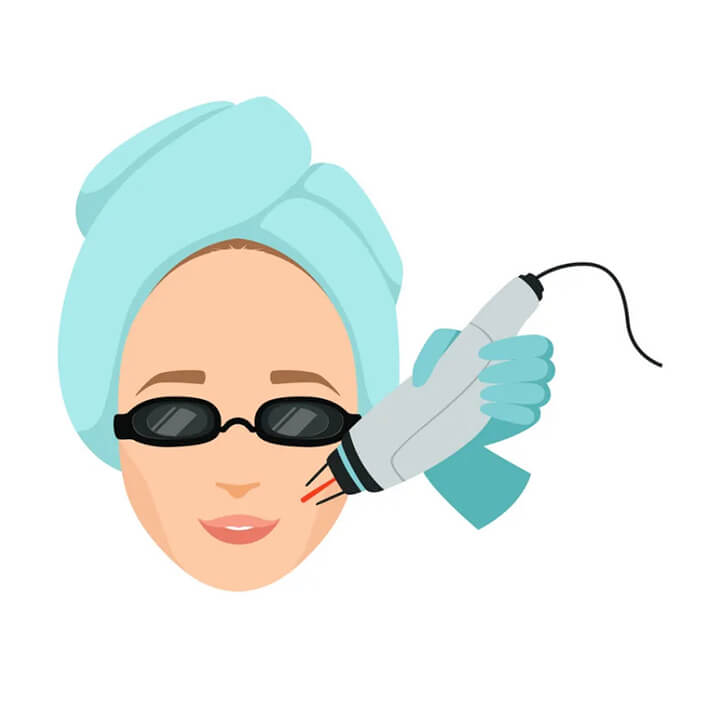
Plasma skin resurfacing is a non-surgical aesthetic procedure that utilizes controlled plasma energy to address the appearance of skin texture and laxity.
The device used in this procedure is FDA-cleared for specific aesthetic indications. It delivers low-frequency energy through a controlled wavelength and power setting designed to allow precise application to targeted areas.
Pricing:
- Eye Lid & Tear Trough: $750
- Décolletage: $2,000
- Neck: $2,000
- Lower Face & Neck (Nostril line down to collar bone): $2,500
- Upper Face (Nostril line up to top of forehead): $1,800
- Full Face: $3,500
- Full Face, Neck, and Décolletage: $8,000
- Acne Scars
- General Body Areas
- Skin Blemishes
- General Scarring
**Consultations are necessary for accurate pricing based on size of treatment area and desired outcome. Price is subject to market demand and competition as well as individual patients desired outcome.
These products are not intended to diagnose, treat, cure, or prevent any disease.
Reliance on or use of this information provided on this website is at your own risk.
Fibroblast treatments can provide skin tightening and rejuvenation, but they also come with potential side effects. Common side effects include:
- Redness: The treated area may appear red for a few days.
- Swelling: Swelling is common and can last several days.
- Crusting or scabbing: As the skin heals, crusts or scabs may form.
- Itching: Treated areas can feel itchy during the healing process.
- Discomfort or Pain: Some patients experience mild discomfort after the procedure.
Less common side effects may include:
- Hyperpigmentation: Darkening of the skin in the treated area can occur, especially in those with darker skin tones.
- Hypopigmentation: Lightening of the skin in the treated area is also possible.
- Infection: As with any procedure that disrupts the skin barrier, there is a risk of infection.
- Scarring: Though rare, there is a potential for scarring if proper aftercare is not followed.
Always consult with a qualified practitioner to discuss risks, benefits, and aftercare to minimize potential side effects.